Three Women ‘Guardians of the Grid’ in the DMV Region
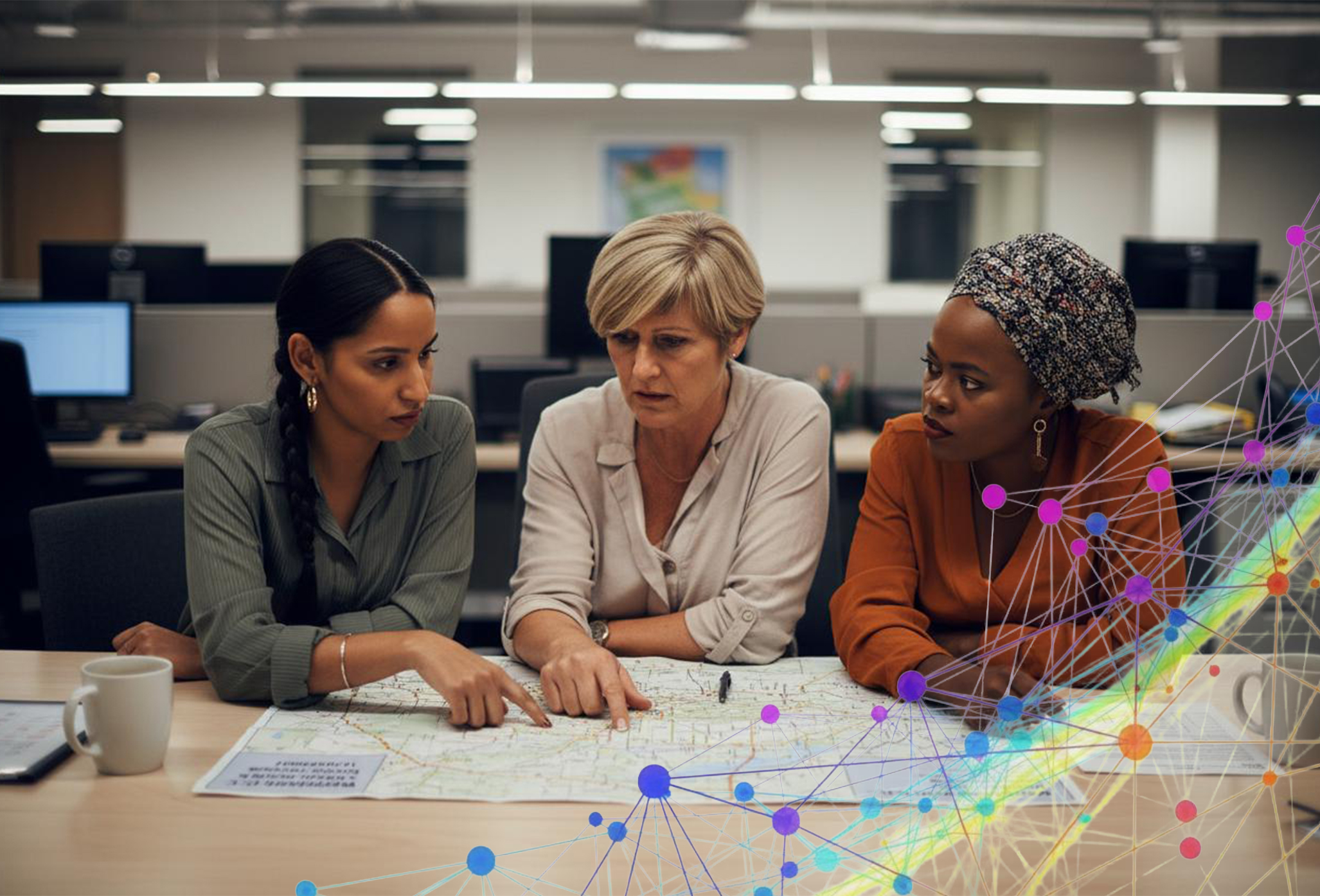
Last week I discussed the underrepresentation of women in cybersecurity positions and the need for growth in this area. This week, I am highlighting three local women who, through my research, have made their own mark in this field. In my estimation, these women leaders are redefining what it means to defend the digital world. They truly stand out for the breadth and depth of their contributions.
Dr. Diane M. Janosek
Few people have done more to shape cybersecurity education and policy in this region than Dr. Diane M. Janosek of Fort Meade, Maryland. A PhD and licensed attorney with certifications in both information security and ethics compliance, Dr. Janosek spent over a decade at the National Security Agency and rose through the ranks to serve as Commandant of the National Cryptologic University, the institution responsible for training our civilian and military intelligence workforce in cybersecurity and signals intelligence.
Her impact extends well beyond government walls through her founding of the first Women in CyberSecurity (WiCyS) regional affiliate, creating a professional community for women in the DMV area, later launching the first industry specific WiCyS affiliate focused on critical infrastructure. She has published more than 30 technical and academic articles. Among other awards and acknowledgments, she was inducted into the Information Systems Security Association (ISSA) Hall of Fame in 2022.
Today, Dr. Janosek serves as CEO of Janos LLC, a cybersecurity and compliance advisory firm, and was the inaugural Executive Director of Capitol Technology University's Center for Women in Cyber, located in Laurel, Maryland.
Tennisha Martin
While government agencies secure the nation’s networks from the top down, Tennisha Martin is intentionally rebuilding the cybersecurity workforce from the ground up. A Washington, DC native with over 20 years in IT and cybersecurity, Martin founded BlackGirlsHack (BGH Foundation) in 2019 after hitting the walls that too many Black women encounter when trying to break into the field. Her answer was not to wait for doors to open, but to teach herself ethical hacking and then bring an entire community along with her.
The nonprofit, now a 501(c)(3) based in Virginia, provides hands-on training in ethical hacking, penetration testing, and cybersecurity certifications, offering the employer-ready skills she found missing in traditional education. BGH has grown to more than 2,500 members worldwide, counting Microsoft and Google among its corporate backers. Martin also founded SquadCon, an annual cybersecurity conference designed to amplify underrepresented voices in the field, and BGH Security, a for-profit company that hires BGH Foundation members to gain paid, real-world experience.
Martin holds five master’s degrees and is a bestselling author of Securing Our Future: Embracing the Brilliance and Resilience of Black Women in Cybersecurity. She has spoken at numerous conferences, the US Naval Academy, and also been featured in Ms. Magazine, Dark Reading, and SC Media.
Kristina Walter
At NSA’s Fort Meade headquarters, Kristina Walter has become one of the most consequential figures in the government’s effort to protect private sector networks. As Director of the NSA’s Cybersecurity Collaboration Center (CCC), Walter leads the agency’s open partnerships with private industry, integrating NSA intelligence insights and technical expertise to defend the Defense Industrial Base and National Security Systems from cyber threats.
Walter’s earlier roles as strategist and chief of Defense Industrial Base cybersecurity helped establish the standards and operational framework the center runs on today, making her somewhat of a founding architect of the CCC itself. With more than 15 years of NSA experience, she has also served as the agency’s Senior Strategist and led NSA’s Future-Ready Workforce Initiative, ensuring the agency attracts and retains top talent in an increasingly competitive field.
A Maryland resident and University of Maryland graduate, Walter’s career reflects the unique intersection of intelligence, technology, and public-private partnership that defines this region’s cybersecurity landscape.
A Region at the Forefront
Not surprisingly, the DMV region is home to the second-highest demand for cybersecurity jobs in the nation. This represents more than three times the national average, given it is anchored by the NSA, NIST, CISA, and a sprawling defense and technology sector. The women profiled here represent the full spectrum from the classified corridors of national intelligence to university classrooms and community training labs. Together, they, along with others, are not just succeeding in cybersecurity but actively reshaping who gets in, who gets trained, and who gets to lead.
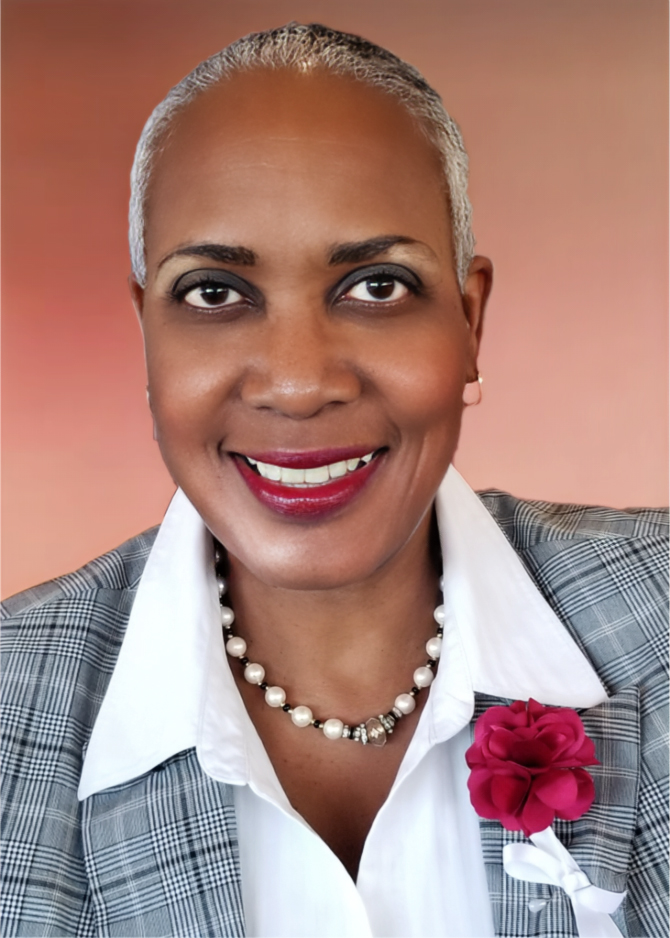 Karen Clay, Clay Technology and Multimedia
Courtesy, Karen Clay