Gender Equality in Sports: Former D1 Athlete Mentors, Empowers Girls, Student Athletes
It is not uncommon for little boys to enthusiastically rattle off names of sports players or mention their dreams of playing professional football or basketball. Sometimes girls who possess athletic passions, hobbies or abilities receive less support or interest. A way to empower any student athlete is to learn from people who have walked a particular path.
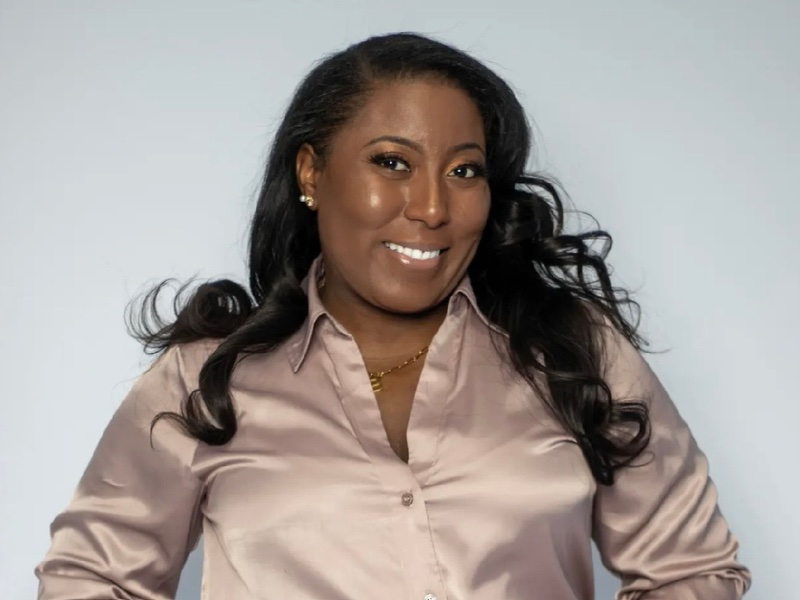
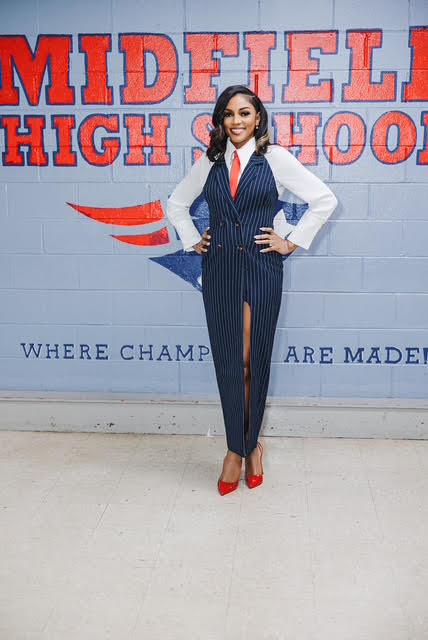
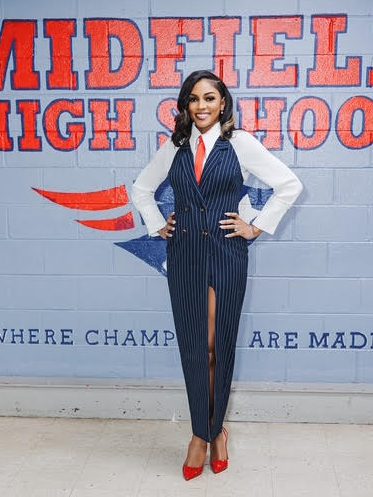 Courtney Jones Green, entrepreneur; licensed mental health advocate; former D1 athlete; mentor; real estate developer; and nonprofit executive director.
Photo credit: Tony from Ynot images
Courtney Jones Green—an entrepreneur, licensed mental health advocate, mentor, real estate developer, and executive director of Together We Can Inc nonprofit, focuses her work on mentorship and nonprofit leadership.
Gender Equality, Achievement, and Sports Mentoring
“Gender equality improves when families, coaches, and communities intentionally invest time, visibility, and resources into girls’ sports. Girls feel valued when they are promoted, celebrated, and supported with the same enthusiasm and opportunities as boys,” said Green.
Her entrepreneurship is rooted in empowering youth, women, and communities through sports, education, mental wellness, and economic development. Additionally, Green was an LSU (Louisiana State University) D1 Athlete from 2008 – 2012. She weaves her athletic experiences into her purpose to mentor other athletes.
“Through my mentorship efforts, I work directly with middle school, high school, and college-aged girls, especially student-athletes, helping them develop confidence, discipline, leadership skills, and mental resilience. I mentor girls in schools, sports programs, clinics, and summits, teaching them how to handle pressure, become great teammates, communicate effectively with coaches, manage adversity, and build identity beyond athletics. My mentorship emphasizes mental health, faith, emotional intelligence, and life preparation, ensuring girls are equipped for success on and off the court,” said Green.
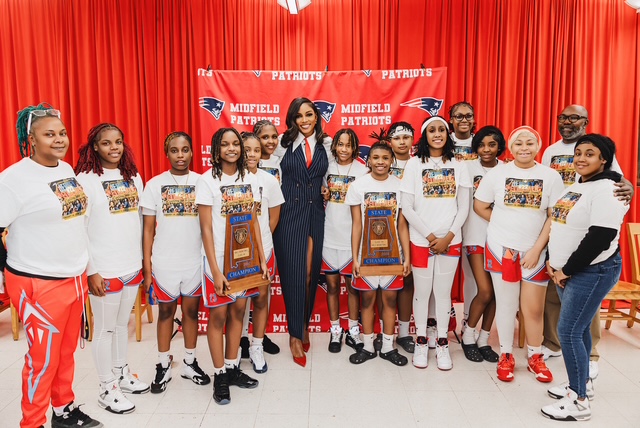
Green’s basketball jersey was retired on January 14, 2026, 2026 at her former high school in Midfield, Alabama in recognition of her athletic achievements, leadership, and community work.
Tips for Aspiring, Girl D1 Athletes
Green noted that a Division I (D1) team is part of the highest level of college athletics governed by the NCAA, featuring elite competition, rigorous training schedules, national exposure, and scholarship opportunities.
“I had to balance academic expectations, intense training schedules, performance pressure, family responsibilities, and the emotional weight of constantly proving myself in competitive environments,” Green explained. “Every aspiring girl athlete should understand that discipline matters more than talent, rejection is part of the process, and success requires mental toughness as much as physical ability.”
Green further advised that beginning in high school, girl athletes can better develop strong time-management skills, communicate openly with teachers and coaches, prioritize rest, and understand that academics open doors long after sports end. And at the college level, girls need to develop basketball IQ; physical conditioning; communication; emotional regulation; adaptability, and resilience to succeed. Green stated that recruiting standards for a D1 basketball team require consistent high-level performance, strong academics, coachability, leadership, physical conditioning, game IQ, and the ability to compete against elite talent year-round.
Girl basketball players often face limited exposure, fewer financial opportunities, body image scrutiny, and pressure to balance femininity with toughness, all while navigating underrepresentation in leadership and media coverage. However, brand deals and sponsorships have significantly increased due to NIL (Name, Image and Likeness) opportunities, especially for players who understand branding, storytelling, and social media engagement, according to Green.
“Girl athletes can build their brands by being authentic online and off the court, and by learning early how to market their values, voice, and impact beyond sports,” she stated.
Girl athletes can better take care of their mental health while balancing performance by normalizing rest, speaking openly about pressure, building support systems, practicing mindfulness or prayer, and understanding that their worth is not solely tied to performance.
Personal Development and Life After Basketball
Green, the author of “Dance in the Rain: 52-week coloring book journal for Girls & Teens” and “Stronger Every Day: Your Guide to Mental Health & Resilience for Teen Girls and Young Women,” presents another layer of support to her target audience, including middle school, high school, and college-aged girls, particularly student-athletes. She also serves young women navigating leadership, personal growth, faith, and identity, and parents, coaches, and mentors who support girls in competitive sports and personal development through her creative endeavors.
Green, a proud mother of five children and wife of NBA veteran JaMychal Green, reflected on the gratitude that intersects with her journey to achieve her sports and personal dreams.
“I am most grateful for my faith, my family, the coaches who believed in me, the lessons learned through adversity, and the opportunity to now pour into the next generation of girls chasing their dreams. Visit https://www.courtneygreenofficial.com to learn more about Courtney.